Sermorelin does not replace growth hormone. It gives the pituitary gland the same message the brain normally sends, asking it to make more of its own. It was once a prescription medicine for children, then disappeared from pharmacies in 2008. Here you can read what it is, how it was used and where it stands now.
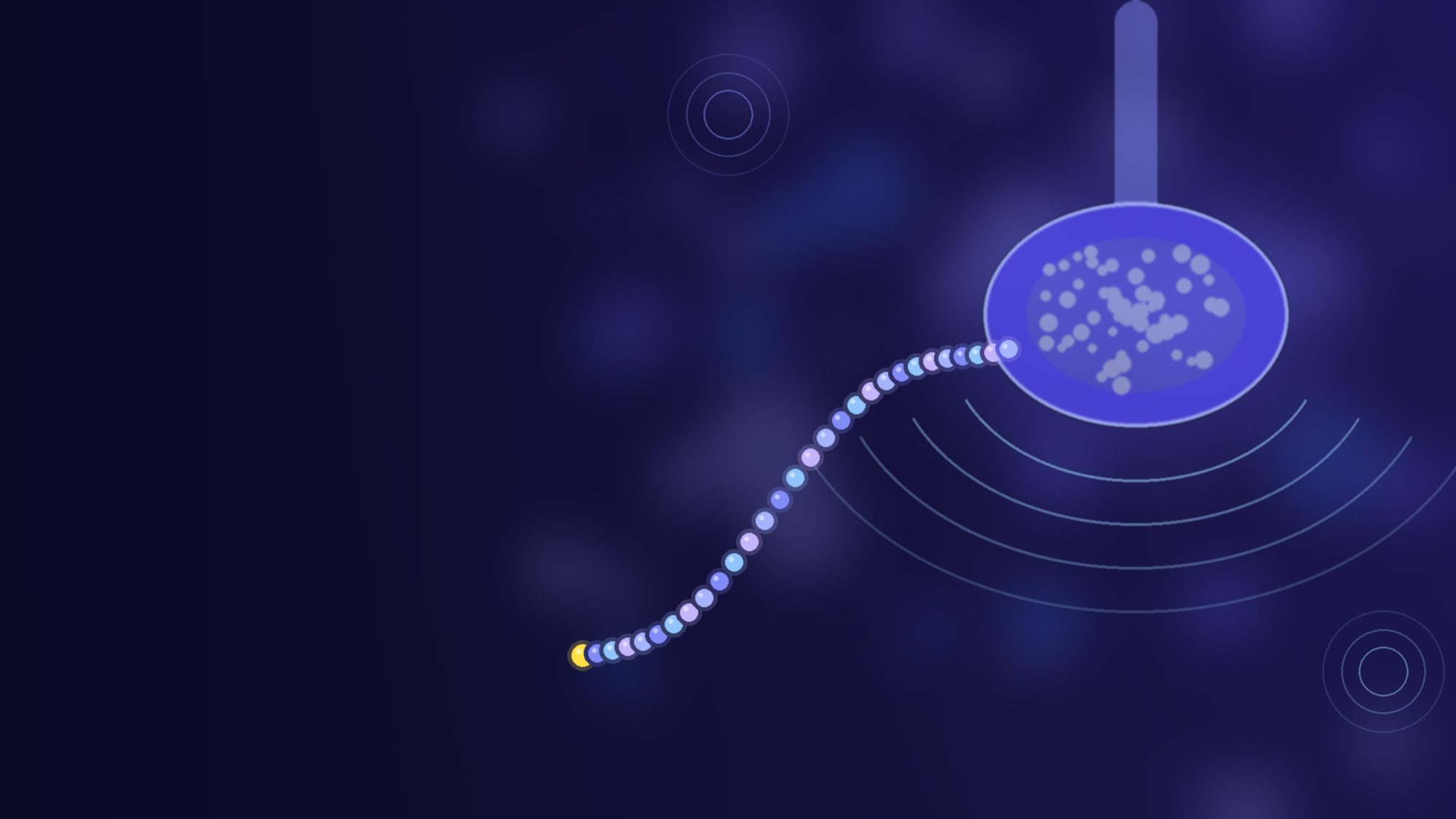
Growth hormone is not released on its own. A small part of the brain called the hypothalamus sends a messenger, growth hormone releasing hormone (GHRH), to the pituitary gland just below it. When the message arrives, the pituitary lets out a burst of growth hormone. Sermorelin is a lab-made copy of the first 29 building blocks of that messenger, the part that does all of the work.
Because it acts one step earlier than growth hormone itself, doctors once saw it as a gentler way to help children whose pituitary still worked but did not get enough of the signal. The Swiss company Serono sold it under the name Geref, both as a hospital test and as a daily treatment.
Geref was withdrawn in 2008 for business reasons, and the US regulator later confirmed that safety was not the cause. Since then sermorelin has lived on in research, in US compounding pharmacies and, unofficially, in sport. The pages below explain each part.
| What it is | A synthetic copy of amino acids 1 to 29 of human growth hormone releasing hormone |
| Other names | GRF 1-29 NH2, GHRH (1-29) and sermorelin acetate; brand name Geref |
| Molar mass | About 3,358 g/mol |
| Target | The GHRH receptor on growth hormone cells in the pituitary gland |
| Former uses | A test of pituitary function and a treatment for children with idiopathic growth hormone deficiency |
| Market history | US approval in 1990 (test) and 1997 (treatment); discontinued in 2008 |
| Status | No current licence in the EU, UK or US; banned in sport under WADA class S2 |
Nothing here is medical advice, and research-grade sermorelin is not intended for people. If you have questions about growth, ageing or hormone levels, a doctor is the right person to ask.
 English
 Español
 Deutsch
 Français
 Svenska
 Dansk
Dansk Norsk
Norsk Nederlands
 Polski
 Čeština
 Português
 Ελληνικά
 Italiano